
Estancia Quemquemtreu
More than a century ago, Quemquemtreu became the administrative heart of an extraordinary network of Patagonian estancias. Together, these properties extended across more than one million acres of Northern Patagonia and operated as a single, highly organized ranching enterprise.
From Quemquemtreu, livestock operations were coordinated across the region. The estancia housed the central administration and general store, along with workshops, barns and other facilities that supported a remarkably self-sufficient rural community.
The original operation raised Merino sheep and cattle, later developing Hereford bloodlines as well as horses and polo ponies. Livestock moved through commercial routes connecting the Andean valleys with markets on both sides of the country.
The properties remained under unified management until the 1960s, when the original holding was divided. Quemquemtreu continued as an independent estancia and remains a genuine working ranch today, devoted to Hereford cattle and the breeding of horses and polo ponies.
The corrals, barns, gauchos and daily ranch work are not recreated for visitors. They are part of a living agricultural tradition that has shaped Quemquemtreu for more than one hundred years.
A Glimpse of Patagonia
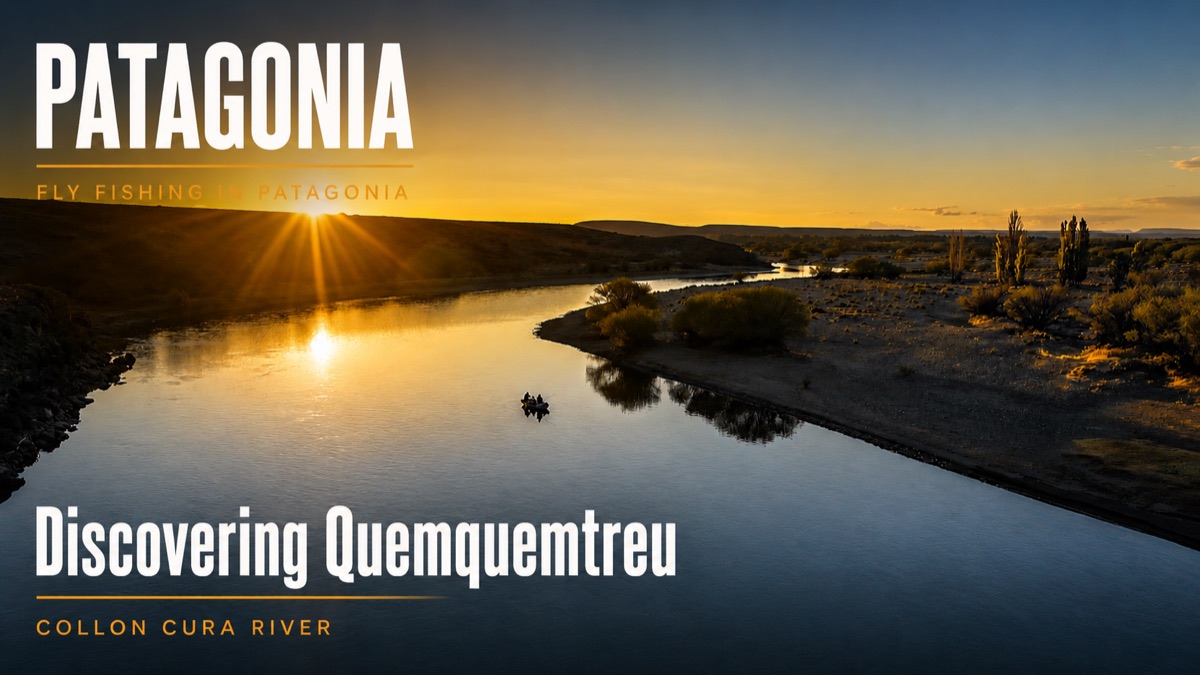
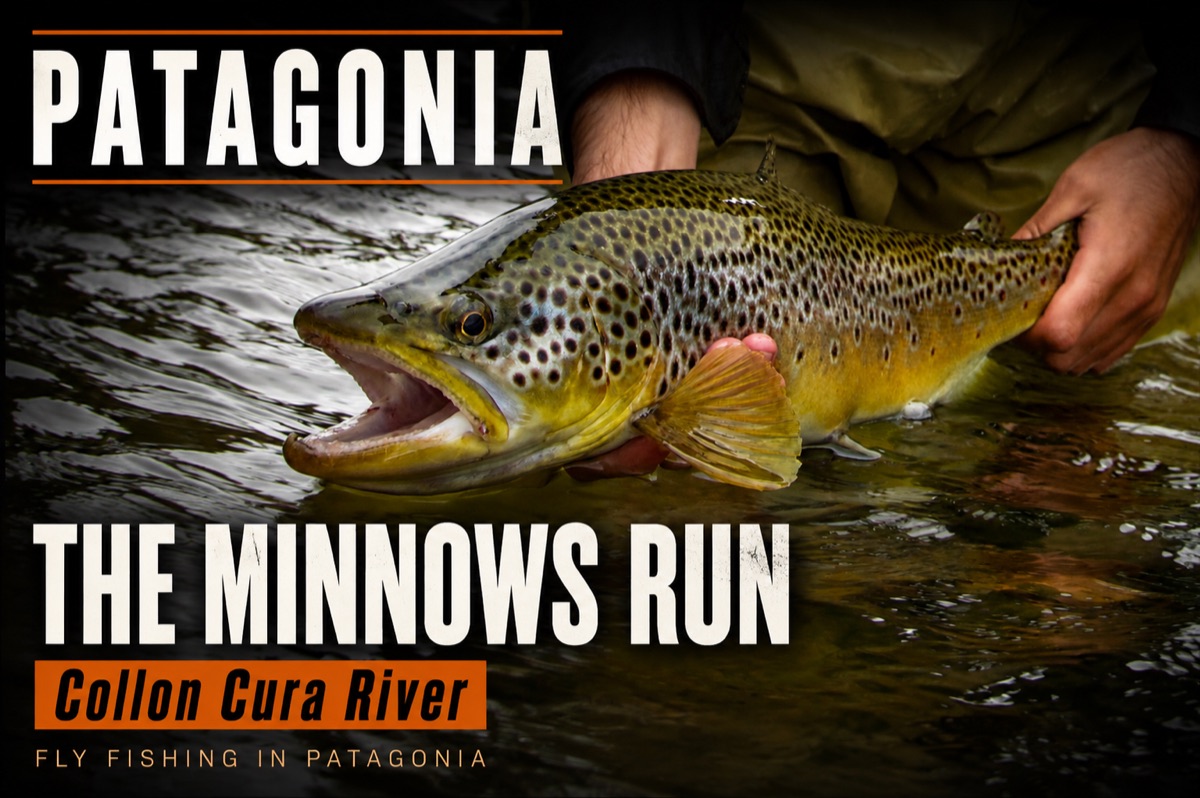
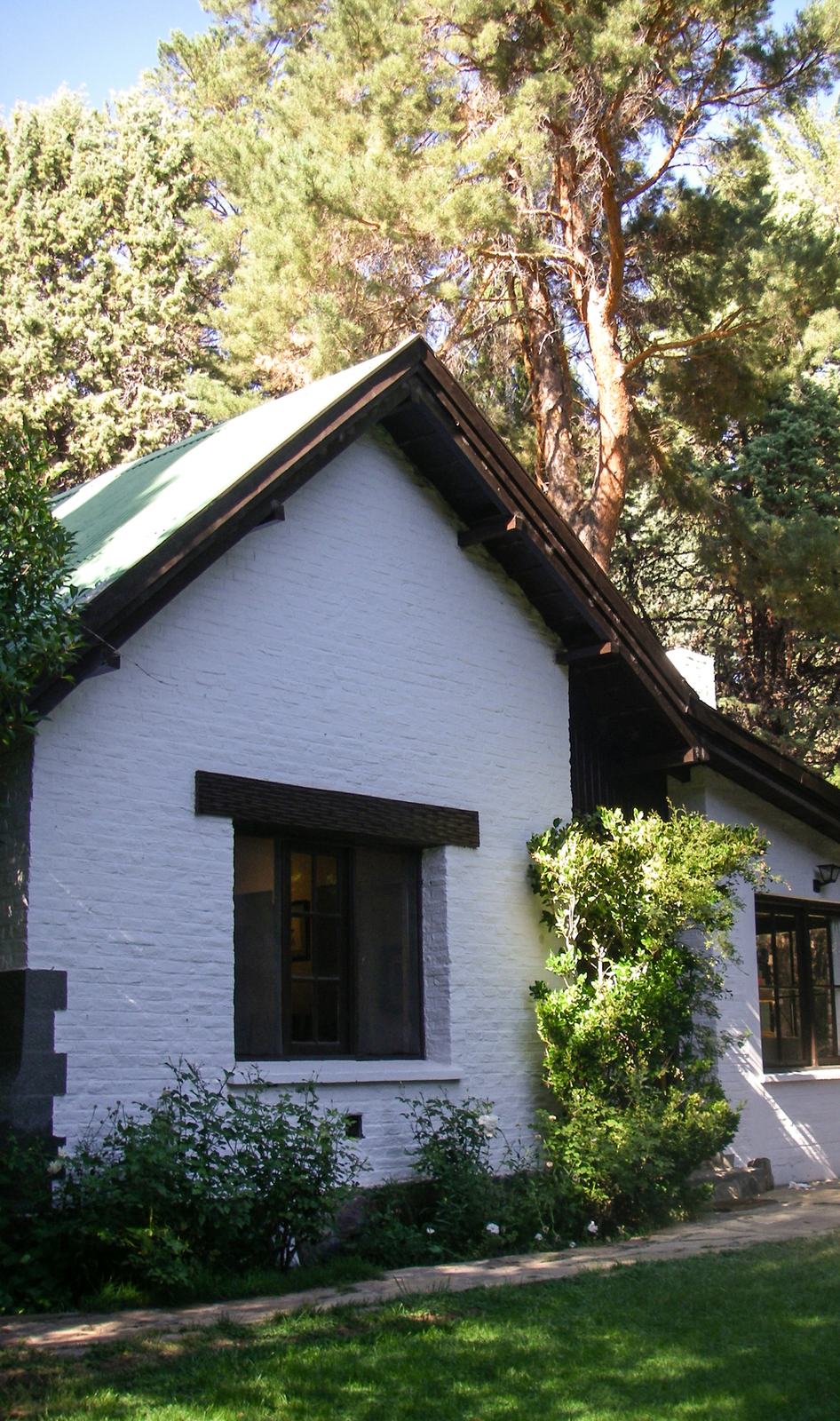
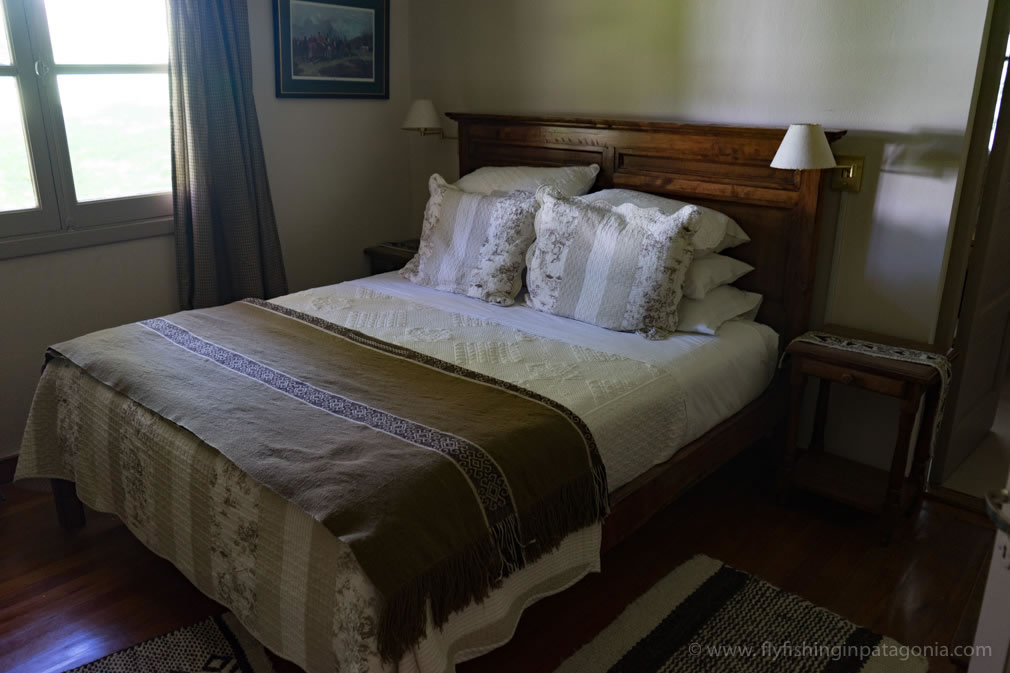
Photo Journal
Explore the lodge, everyday life at the estancia and the fishing that shapes a stay at QQT.
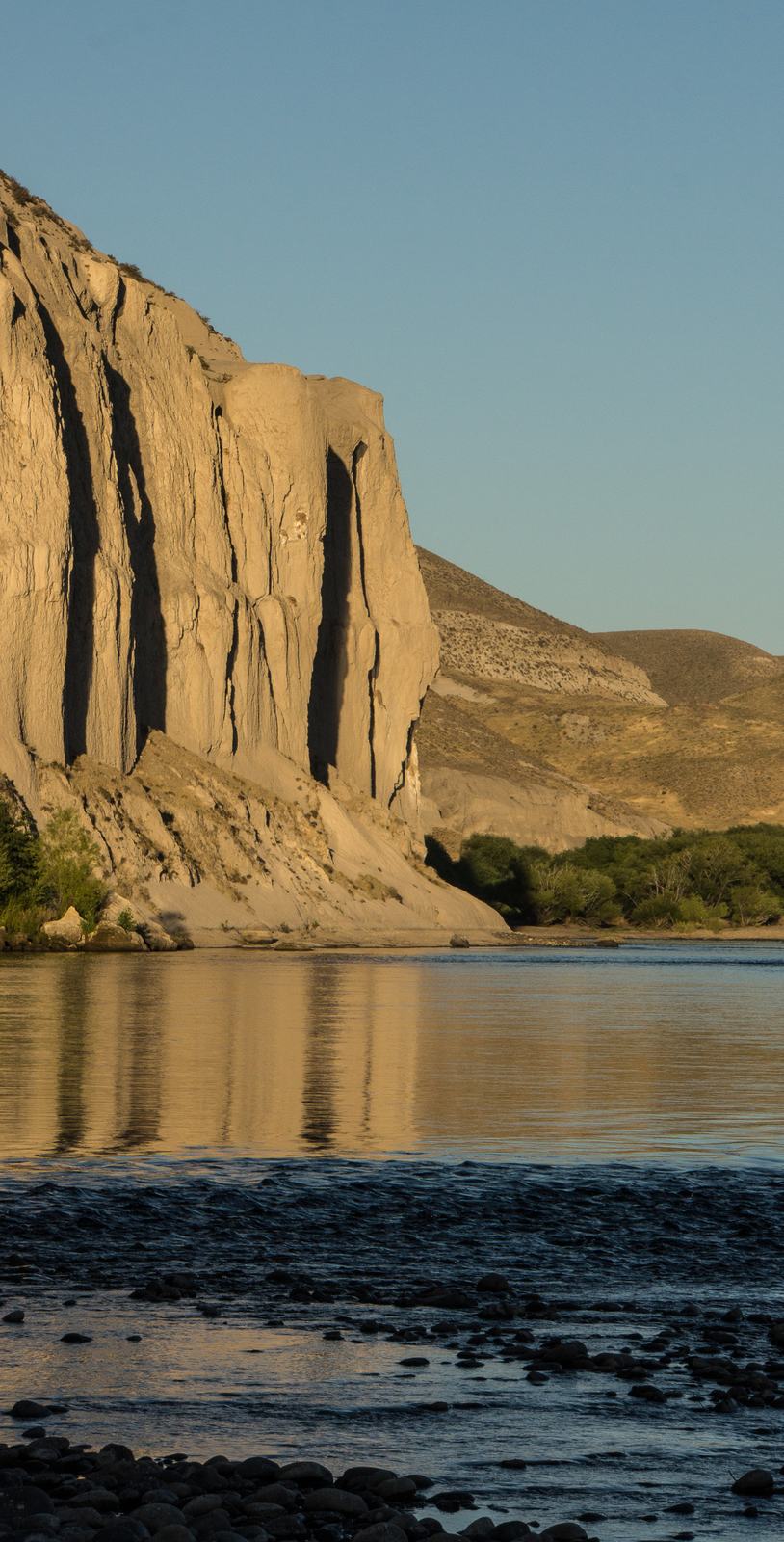
Nearly 27 miles of the Collon Cura River flow through Quemquemtreu Ranch, providing outstanding private access to one of Patagonia's finest trout rivers.
Several put-in and take-out points make a wide variety of float combinations possible throughout the season. Based on water levels, weather conditions and fishing opportunities, our guides carefully select the stretches offering the best experience each day, making every float different.
One of the great advantages of staying at Quemquemtreu is the ease of the daily fishing logistics. Boats are often left on the river overnight, allowing guests to begin the following day's float quickly and efficiently. Depending on the selected stretch, transfers from the lodge take only 10 to 40 minutes.
In addition to floating, several excellent sections can be explored on foot, giving anglers the opportunity to fish productive side channels, riffles and gravel bars at a slower pace.


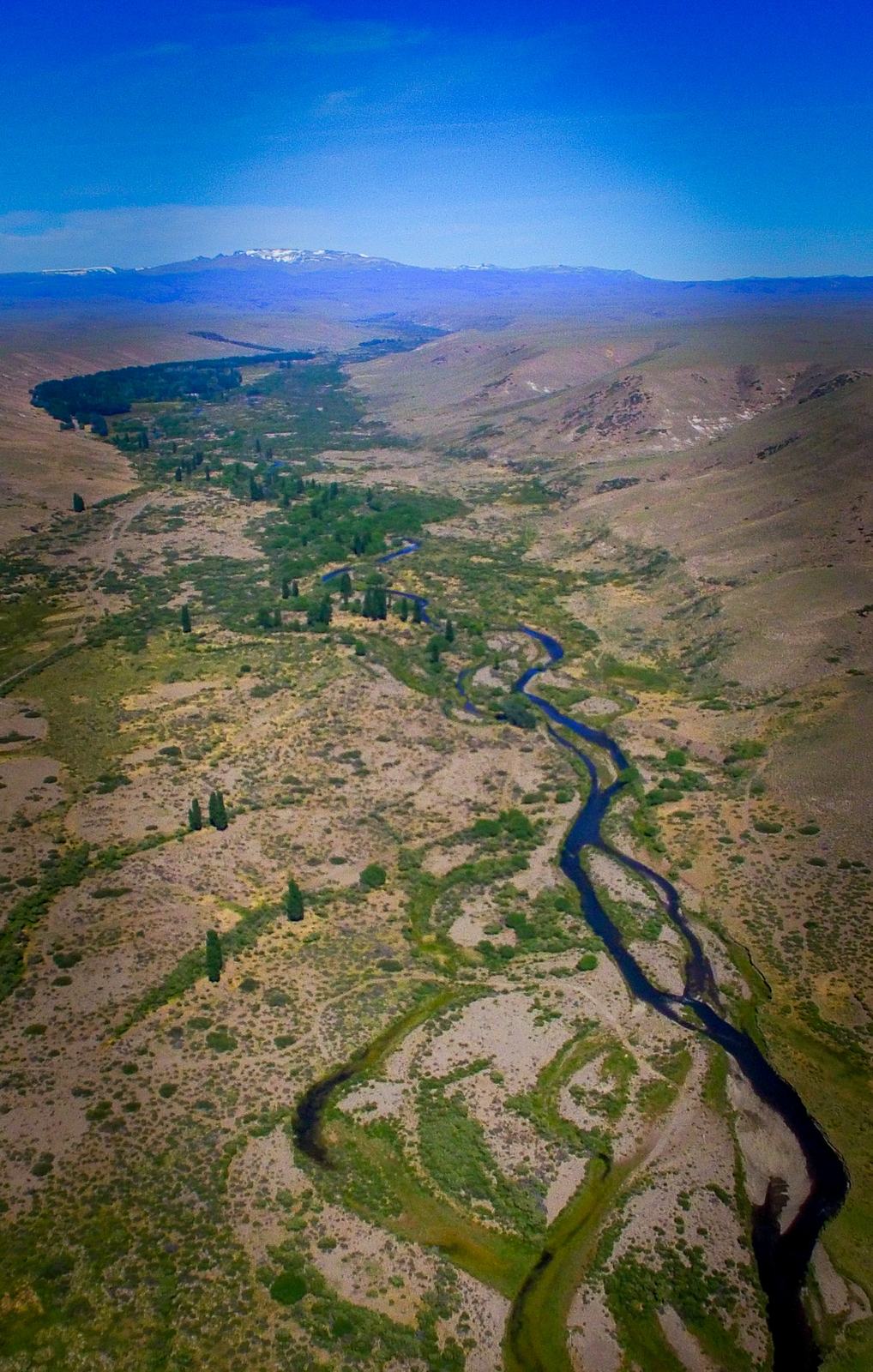
Flowing entirely within Quemquemtreu Ranch, the Quemquemtreu River is an intimate spring creek that offers one of Patagonia's most rewarding dry-fly experiences.
More than 15 miles of private-access water fish exceptionally well throughout spring and early summer, particularly from November through late December, when powerful brown trout that sometimes exceed 24 inches are willing to rise for a large dry fly or even charge a mouse pattern.
Anglers who enjoy stalking rising trout upstream with large dry flies will find this river especially rewarding. Easy access from the lodge means you can be on the water in just five minutes, making it ideal for both full-day outings and shorter evening sessions.
Many returning guests become true Quemquemtreu River enthusiasts, spending nearly their entire week fishing this remarkable stream and floating the Collon Cura for only a single day. That's how addictive this little river can be.
Late in April, large migratory brown trout enter the stream system to spawn, creating exciting opportunities to sight-fish impressive fish that eagerly rise to dry flies.
Inquire about early-season special prices, usually before December 10th.
Evenings at QQT have their own rhythm. After a day on the river or exploring the estancia, guests return to a relaxed atmosphere of good conversation, homemade food and Argentine wine. Luisa, the host and lodge manager, brings a warm, personal touch to every stay.
Dinner draws on traditional Patagonian recipes and fresh local ingredients, including vegetables from the estancia's greenhouse. Some nights bring everyone together around the fire for an asado—one of those simple experiences that often becomes a favorite memory of the trip.
Martin personally selects the wines, from classic Malbecs and Cabernet Sauvignons to regional blends from Mendoza and the Neuquen Valley.

.jpg)
After the River
When the fishing day comes to an end, guests make their way to the estancia's old barn—now a relaxed bar with plenty of character.
Drinks and appetizers are served while stories from the river unfold around the bar. On many evenings, the fire is lit and the asado is prepared right here, turning the barn into the setting for a long and relaxed Patagonian evening.
A pool table and ping pong keep the mood informal and often turn a quick stop into a longer evening.
Simple, welcoming and unmistakably QQT, the Barn Bar has become a favorite gathering place for guests.
